Why decks and fences gray out
Sun breaks down the surface fibers of bare or worn wood, and rain and snow soak in and dry out again. Over a few seasons the wood turns gray, checks and splinters. In the shaded backyards common in Purchase and West Harrison, mildew and algae add to the problem. A good stain slows all of this.
Preparing the wood
Most of the result comes from prep. Painters typically apply a wood cleaner, rinse, and let the deck dry fully. Old, failing finish may need to be stripped. Rough or fuzzy areas are sanded, and loose boards and nails are fixed before any stain goes on.
- Clean off dirt, mildew and algae
- Strip failing finish if needed
- Sand rough spots and splinters
- Tighten or replace loose boards
- Stain boards, rails, posts and steps
Stain types
Clear and transparent stains show the most grain and need more frequent recoats. Semi-transparent stains add color and moderate protection. Solid stains hide the grain and last longer on vertical surfaces like fences, but they can peel on walking surfaces. A painter can recommend what fits your deck and how much sun it gets.
Fences take longer than you think
A fence has two faces, posts, rails and many edges. Painters often spray stain and then back-brush it into the wood for even coverage. Plants along the fence line need protection, and the neighbor's side may need permission to reach.
Scheduling
Staining needs dry wood and several dry days. Late spring and early fall are common windows. Avoid hot, sunny afternoons, when stain can dry before it soaks in.
Railings, stairs and safety checks
Staining is a good time to look closely at the deck. Loose railings, wobbly balusters, split stair treads and rusted fasteners should be fixed before any finish goes on. Painters often point these out during the estimate, and some handle small repairs themselves. Structural problems such as soft joists or posts belong with a carpenter or deck builder before the stain work is scheduled.
Deck staining cost ranges
Published ranges from Fixr.
| Job | Typical range |
|---|---|
| National average range | $550 to $850 |
| Labor only, per sq ft | $1.50 to $3 |
| 12 x 12 deck (144 sq ft) | $290 to $720 |
| 14 x 20 deck (280 sq ft) | $560 to $1,400 |
| 20 x 20 deck (400 sq ft) | $800 to $2,000 |
These are published national figures, not quotes. Expect Harrison and southern Westchester prices to sit toward the upper end or above.
Sources: Fixr, deck staining cost
Questions homeowners ask
How do I know my deck needs stain?
Sprinkle water on the boards. If it soaks in quickly instead of beading, the finish is worn. Graying and splintering are other signs.
Can a painted deck be changed to stain?
Usually only after the old paint or solid stain is stripped, which adds labor. Some homeowners switch to a solid stain instead.
Do both sides of a fence need stain?
Both sides benefit, but you may need your neighbor's permission to work on their side. Ask the painter to price each side separately.
How long before we can use the deck?
It depends on the product and the weather. Many stains are dry to light foot traffic within a day, but furniture and planters should stay off longer. Ask the painter for the product's dry and cure times.
Other services

House painting
Full repaints for colonials, Tudors and two-family homes.
Exterior painting
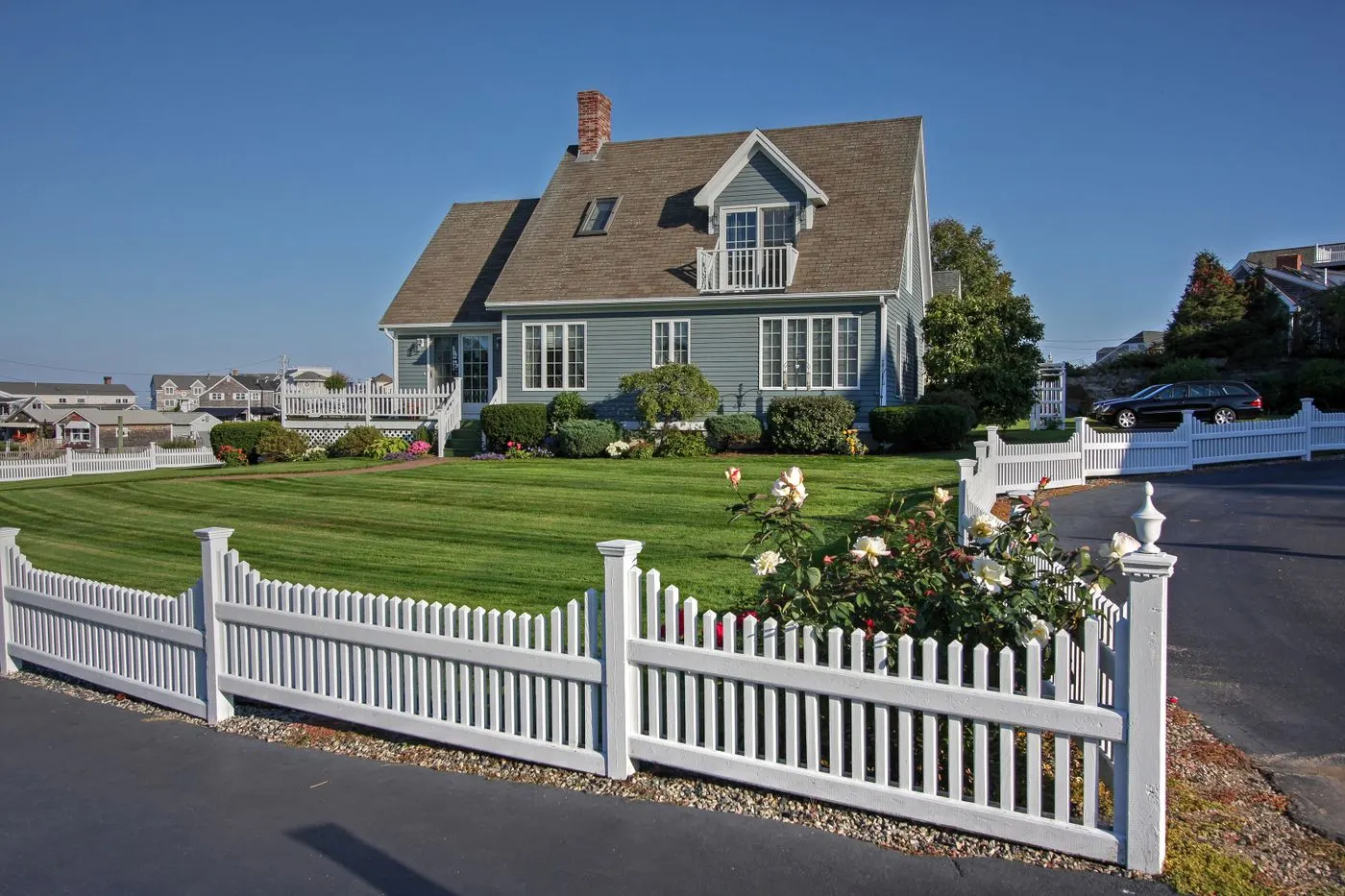
Siding, stucco, trim and doors, with proper prep.

Interior painting
Rooms, ceilings, trim and doors, start to finish.
Cabinet painting
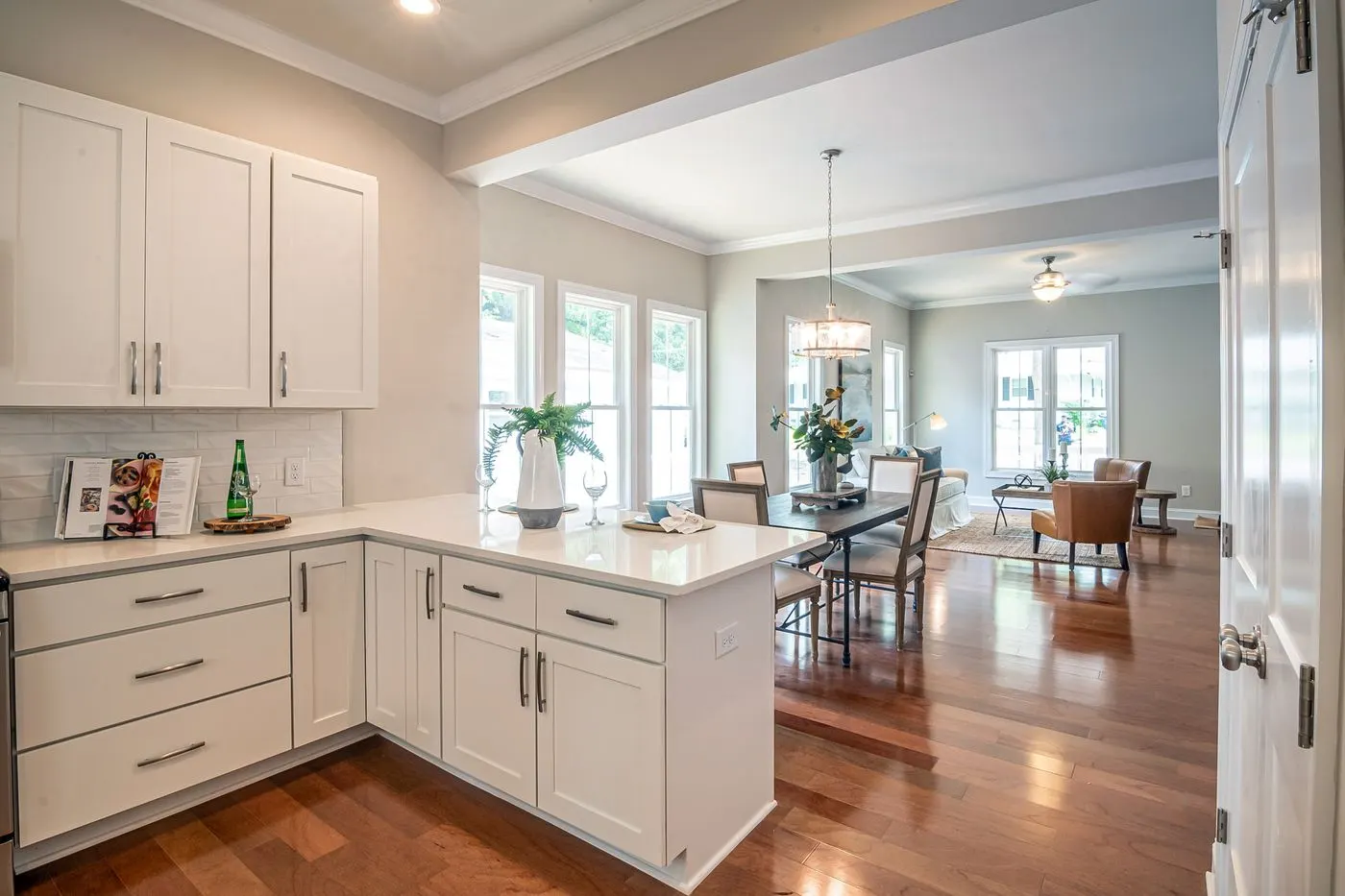
Kitchen and bath cabinets painted instead of replaced.

Wallpaper removal
Remove old wallpaper and get walls ready for paint.
Trim and siding painting
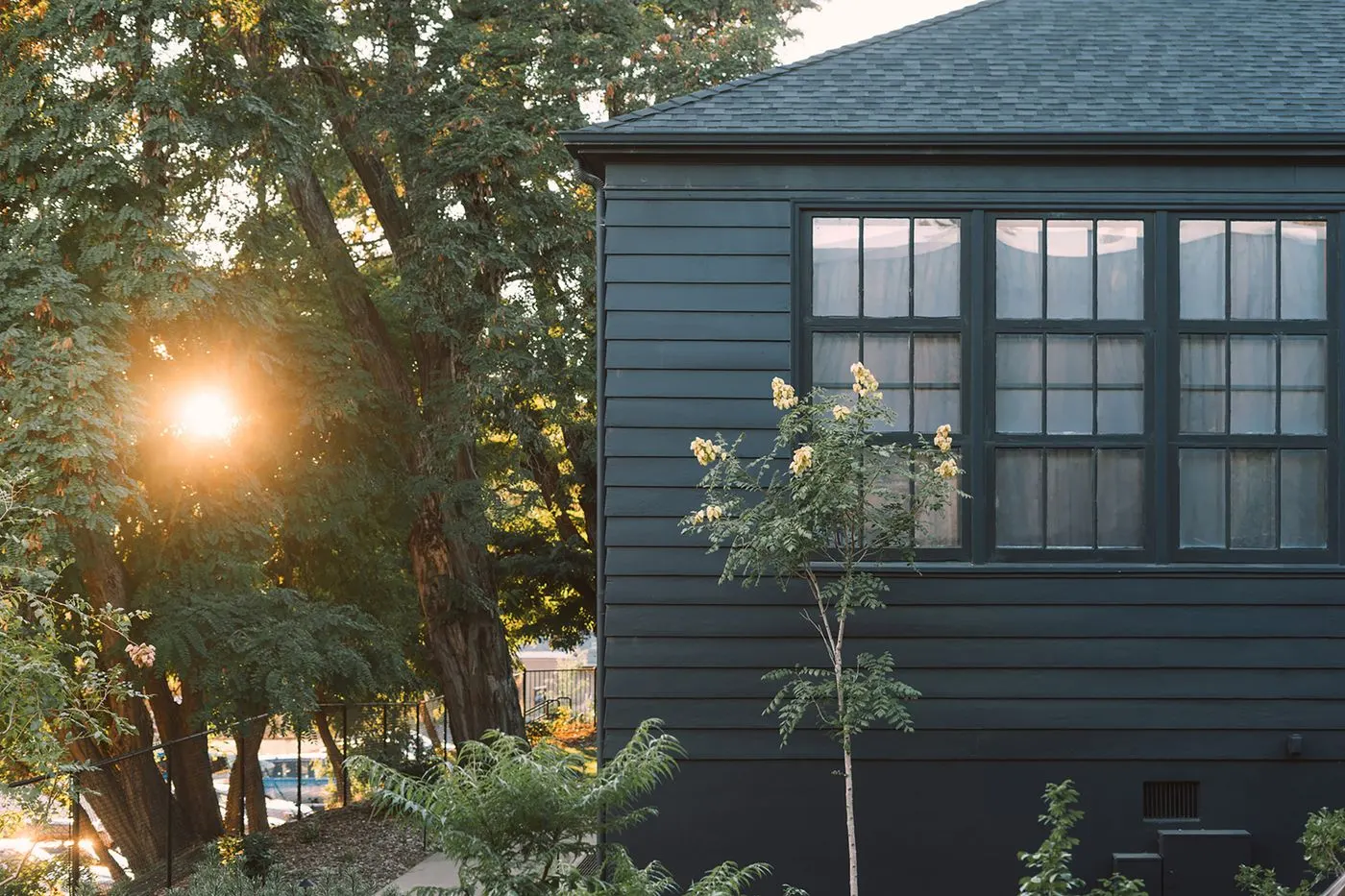
Window trim, fascia, soffits and siding sections.