Why it is harder than it looks
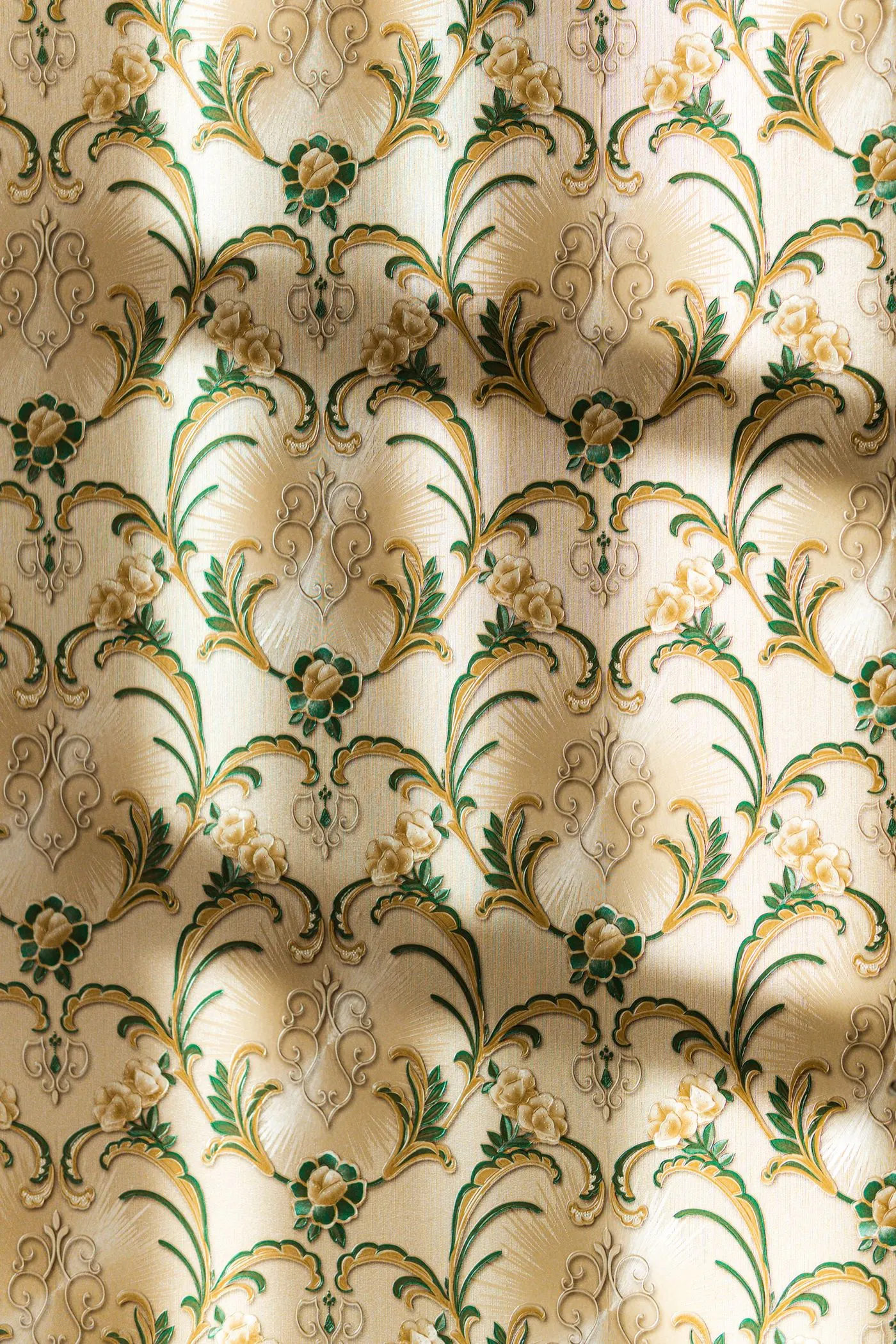
Older papers were hung with strong pastes, and many were painted over in later years. Some homes have two or three layers. Each layer and each coat of paint slows the job. Underneath, the wall may be plaster, drywall or a patchwork of both, and unprimed drywall can tear when paper comes off.
Typical removal steps
The painter starts by testing a small area to see how the paper releases. Strippable paper may peel off dry. Most older papers need scoring, then soaking or steaming to soften the paste. After the paper is off, every bit of glue must be washed away, because paint over paste can crack and peel.
- Test a section first
- Score, soak or steam
- Scrape off paper and backing
- Wash away remaining paste
- Repair, prime and paint
Repairs after removal
Small gouges, torn drywall facing and old nail holes are common. Painters fill and sand these, seal torn drywall paper with a sealing primer, and sometimes skim-coat a wall to make it smooth again. Ask whether your estimate includes this work.
Rooms that need extra care
Bathrooms and kitchens have moisture, fixtures and backsplashes to work around. Tall stairwells and foyers need ladders or staging. Dining rooms in older Harrison homes sometimes have paper over plaster with wainscoting or chair rail below. Mention these details in your request.
One estimate for the whole job
If you plan to paint after removal, ask for an estimate that covers removal, repair, priming and paint together. That avoids gaps between steps and makes it easier to compare painters.
Older homes and painted-over paper
In older Harrison houses, it is common to find wallpaper that was painted over decades ago. Paint seals the paper so removal solutions cannot soak in, so the painter may need to score the surface more aggressively or use steam. In homes built before 1978, painted-over paper may also carry old lead paint, and federal rules require lead-safe practices for paid work that disturbs it.
Wallpaper removal cost ranges
Published ranges from Fixr.
| Job | Typical range |
|---|---|
| National average range | $650 to $950 |
| Foyer (about 117 sq ft of wall) | $90 to $235 |
| Kitchen (about 385 sq ft of wall) | $290 to $770 |
| Living room (about 451 sq ft of wall) | $340 to $900 |
| Equipment and materials fee | $50 to $75 |
These are published national figures, not quotes. Expect Harrison and southern Westchester prices to sit toward the upper end or above.
Sources: Fixr, cost to remove wallpaper
Questions homeowners ask
Is steaming better than chemical removers?
Each works in different situations. Steam is effective on stubborn paste, while removal solutions work well on many papers. A painter usually tests both on a small area.
Can I paint right after removal?
Only after the paste is washed off, repairs are made and the wall is fully dry and primed. Skipping those steps leads to cracking and peeling.
Why can't the painter give a firm price on the phone?
The number of layers, how the paper releases and the condition of the wall underneath are hard to know until a small area is tested.
Does wallpaper removal make a mess?
Some, yes. Wet paper, scraps and paste residue are part of the job. Painters cover floors, protect outlets and clean up as they go, but plan to move small items out of the room.
Other services
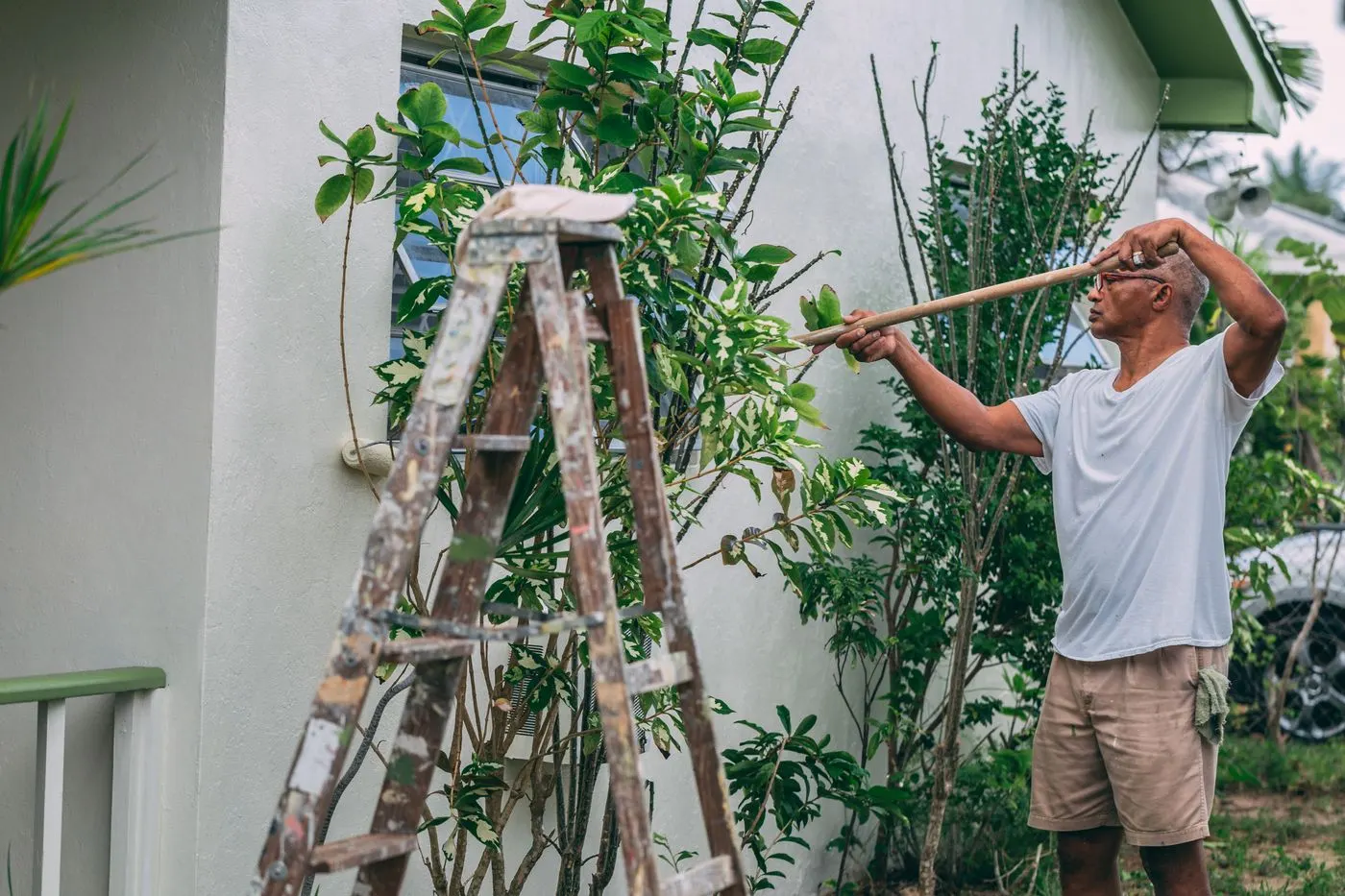
House painting
Full repaints for colonials, Tudors and two-family homes.
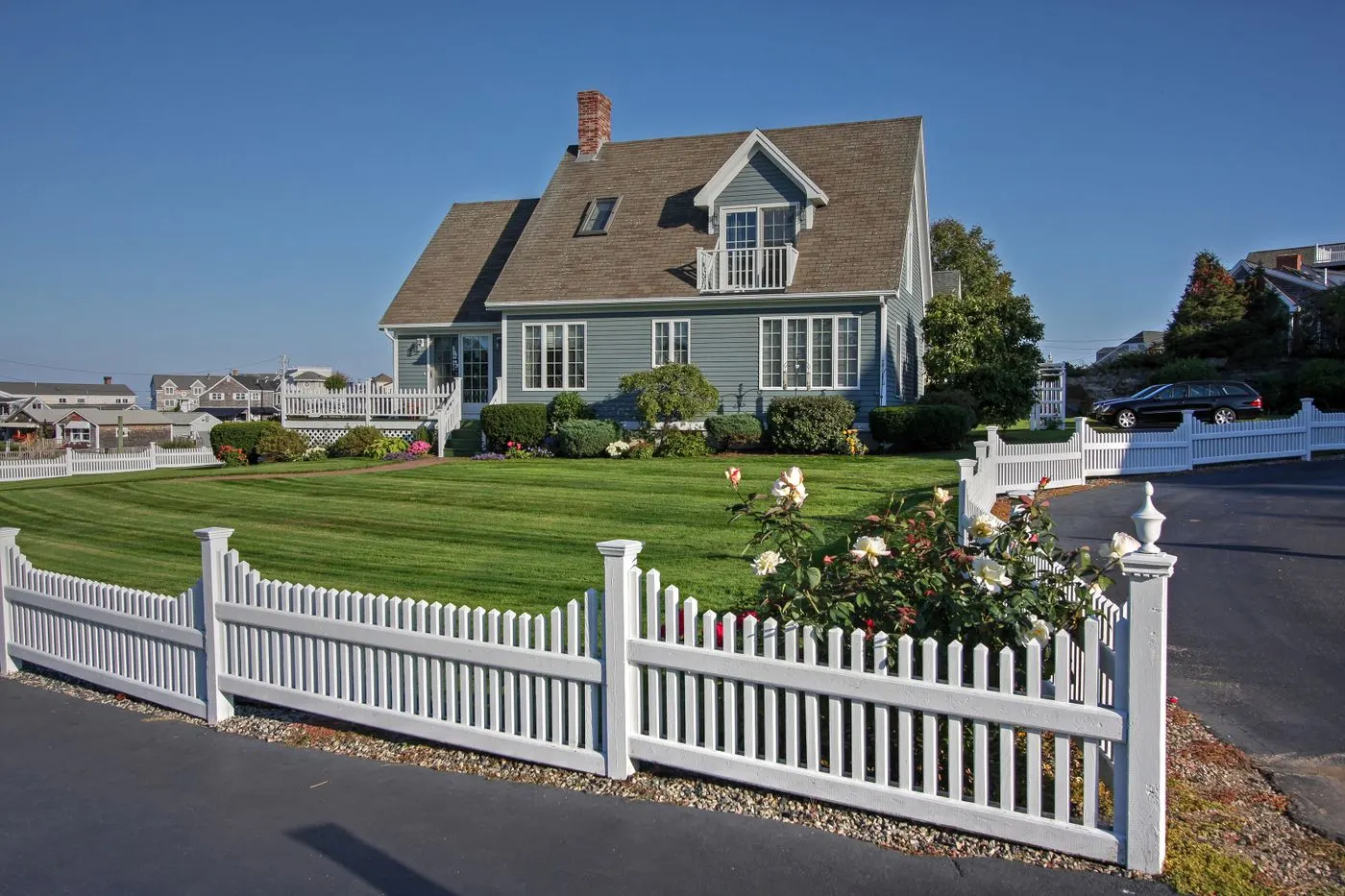
Exterior painting
Siding, stucco, trim and doors, with proper prep.
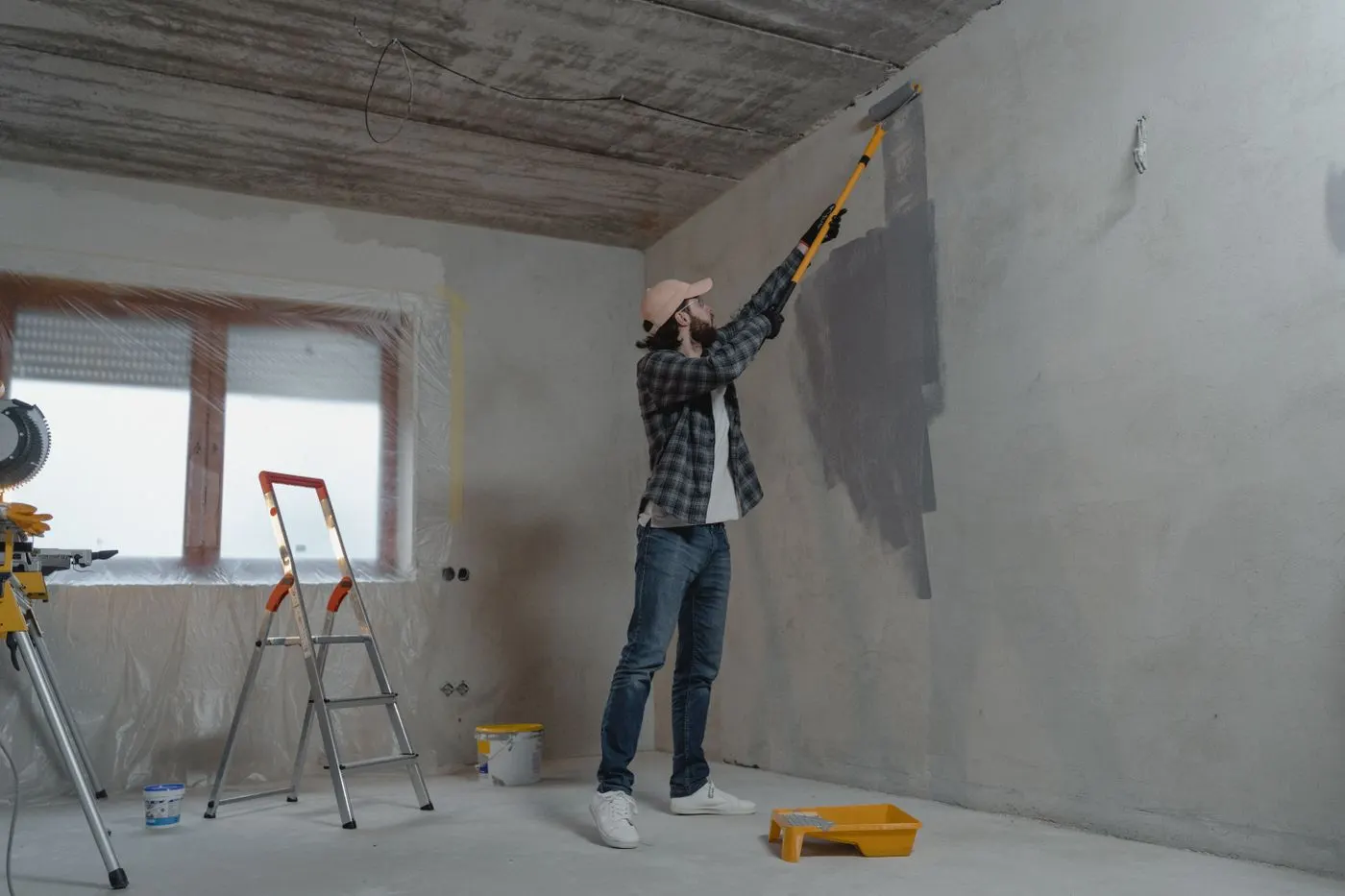
Interior painting
Rooms, ceilings, trim and doors, start to finish.
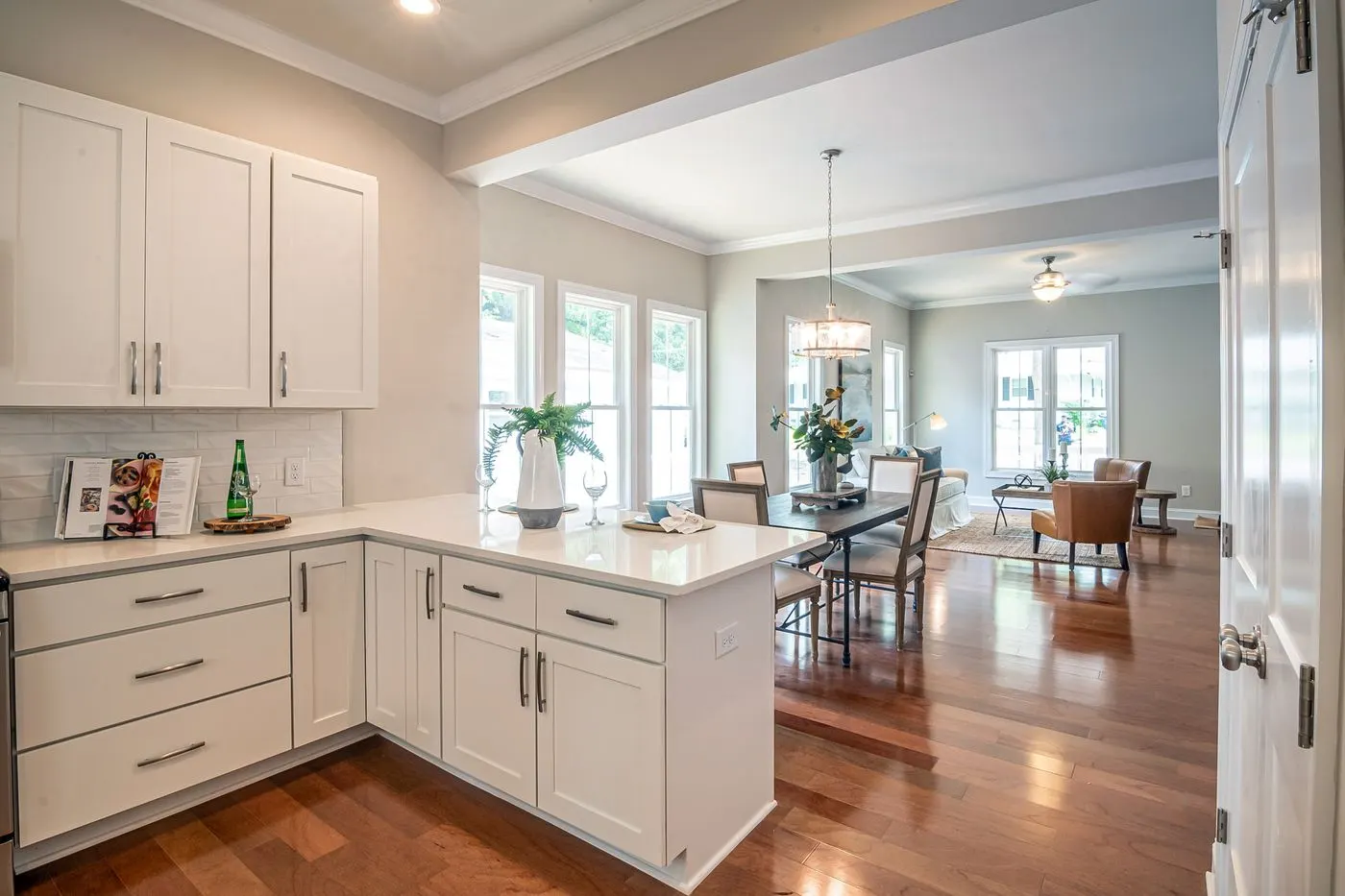
Cabinet painting
Kitchen and bath cabinets painted instead of replaced.
Deck and fence staining
Clean, stain and seal decks, rails and fences.
Trim and siding painting
Window trim, fascia, soffits and siding sections.