Planning the scope
Interior estimates are easiest to compare when you list exactly what you want: which rooms, whether ceilings are included, which trim and doors, and any closets or stairways. Note anything unusual, such as tall ceilings in a foyer, paneled walls, or rooms with built-in shelves.
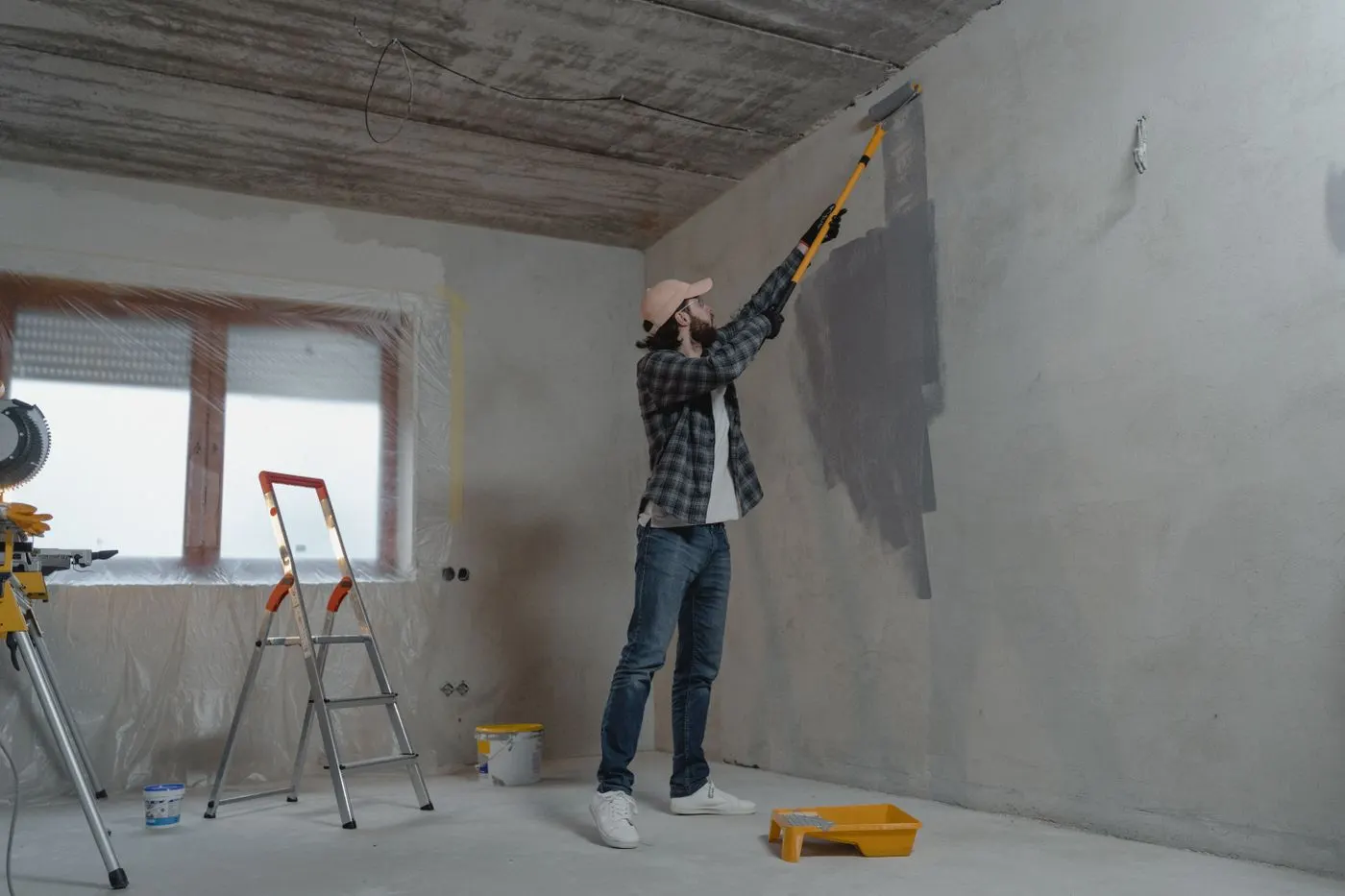
Walls in older Harrison homes
Houses from the early and middle 20th century often have plaster walls. Plaster takes paint well but develops hairline cracks at corners and around doors. Tudor interiors may have textured plaster, wood beams or paneling that call for special care. The painter should explain how they will repair cracks and whether any surfaces need a bonding primer.
How the work usually goes
Painters protect floors and furniture, remove switch plates, fill and sand repairs, prime where needed, cut in edges by brush and roll the walls. Trim and doors are typically painted last with a harder finish. Most painters work a few rooms at a time so the household can keep living there.
- Cover floors and furniture
- Fill cracks and sand patches
- Prime repairs and stains
- Two coats on walls and ceilings
- Trim and doors in a durable finish
Picking finishes
Flat paint hides imperfections and suits ceilings. Matte and eggshell are good for living rooms and bedrooms. Satin works in busy hallways and kids' rooms because it wipes clean. Semi-gloss is the usual choice for trim and doors.
Lead and older trim
If the house is older than 1978 and the job involves sanding or scraping painted trim, federal rules require the contractor to be an EPA Lead-Safe Certified firm. Ask how they will seal off the room and clean up.
Getting the house ready
A little preparation on your side helps the job move quickly. Clear small items off shelves and walls, move fragile pieces out of the room and decide on colors before the start date. Ask the painter which furniture they will move and cover, how they handle pets and children in the house, and how they will leave each room at the end of the day. Clear expectations keep the schedule on track. Good painters also leave a labeled can of each color for future touch-ups.
Interior painting cost ranges
Published ranges from This Old House.
| Room or surface | Typical range |
|---|---|
| Per sq ft of floor space | $1 to $4 |
| Bedroom | $300 to $800 |
| Living room | $600 to $2,000 |
| Hallway or entry | $300 to $1,000 |
| Stairway, per linear ft | $15 to $30 |
| Walls only, per sq ft of wall | $1 to $2 |
These are published national figures, not quotes. Expect Harrison and southern Westchester prices to sit toward the upper end or above.
Questions homeowners ask
Is winter a good time for interior painting?
Yes. Interior work does not depend on outdoor weather, and painters often have more open dates in winter. Keep the house heated and ventilated while the paint dries.
Can I paint over dark colors with light ones?
Yes, but it usually takes a primer and extra coats. Tell the painter about big color changes so the estimate includes them.
Do painters fix ceiling cracks?
Most will fill and sand small cracks as part of prep. Sagging or loose plaster may need a plaster repair specialist first.
Other services

House painting
Full repaints for colonials, Tudors and two-family homes.
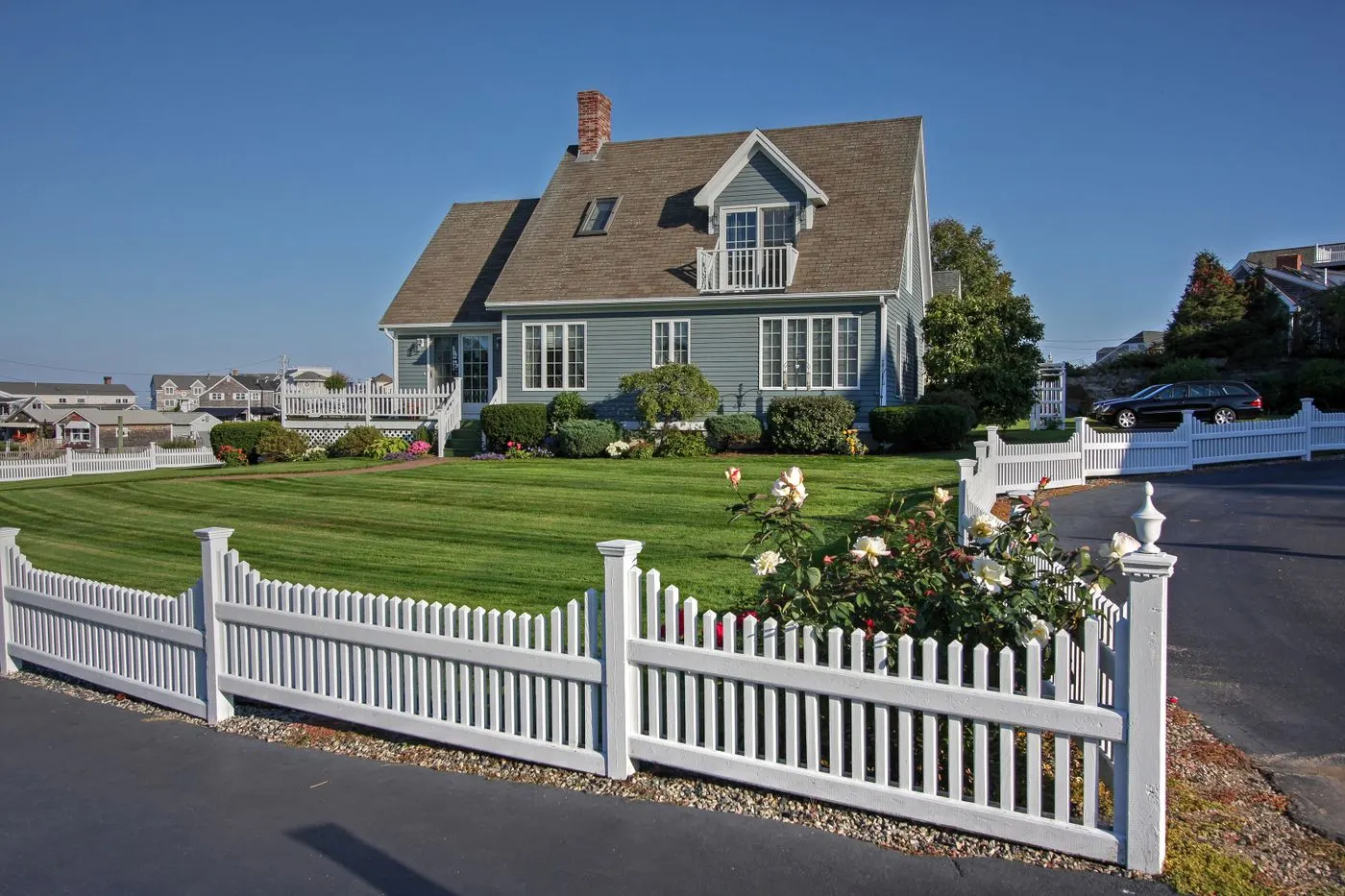
Exterior painting
Siding, stucco, trim and doors, with proper prep.
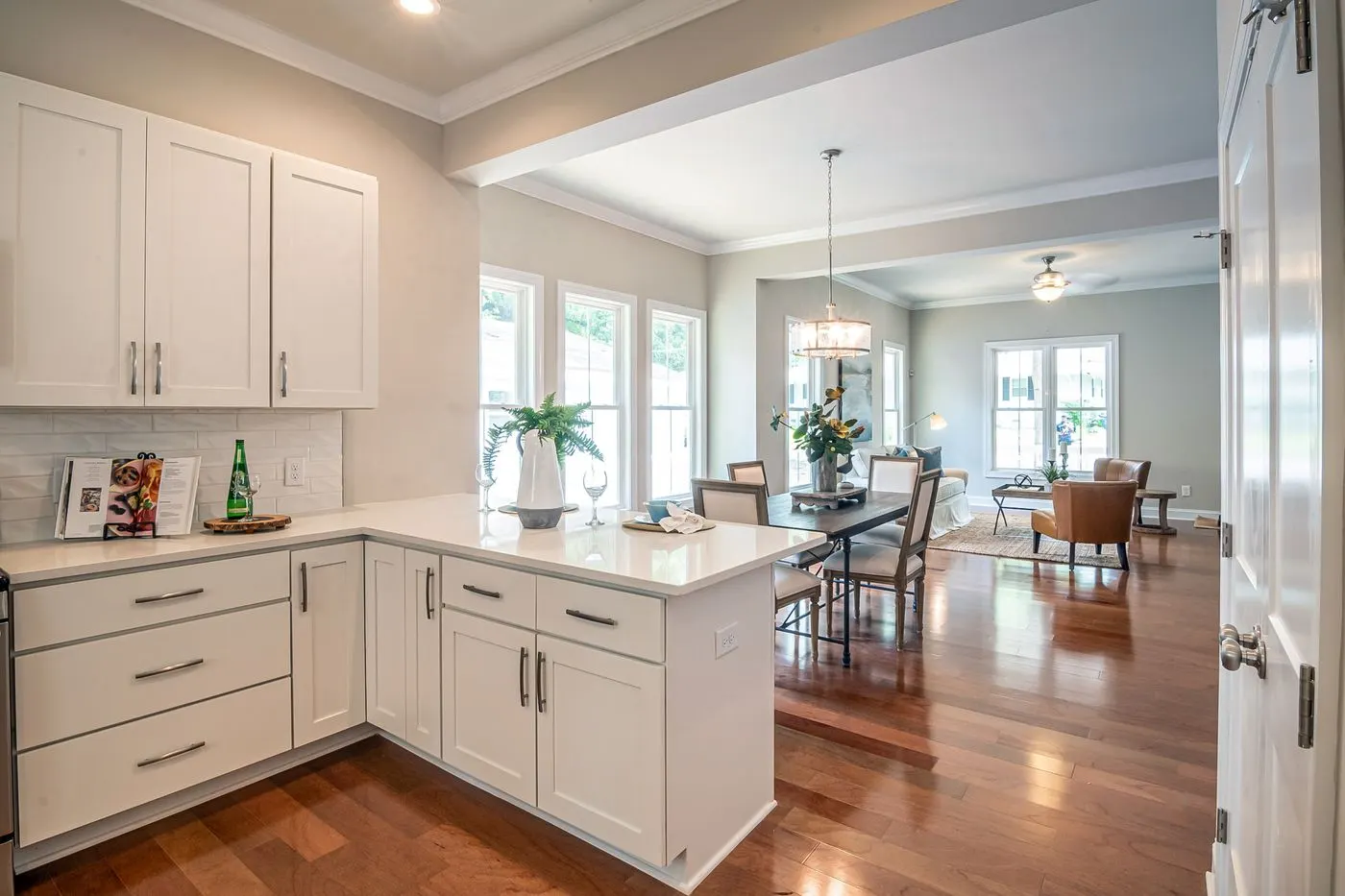
Cabinet painting
Kitchen and bath cabinets painted instead of replaced.
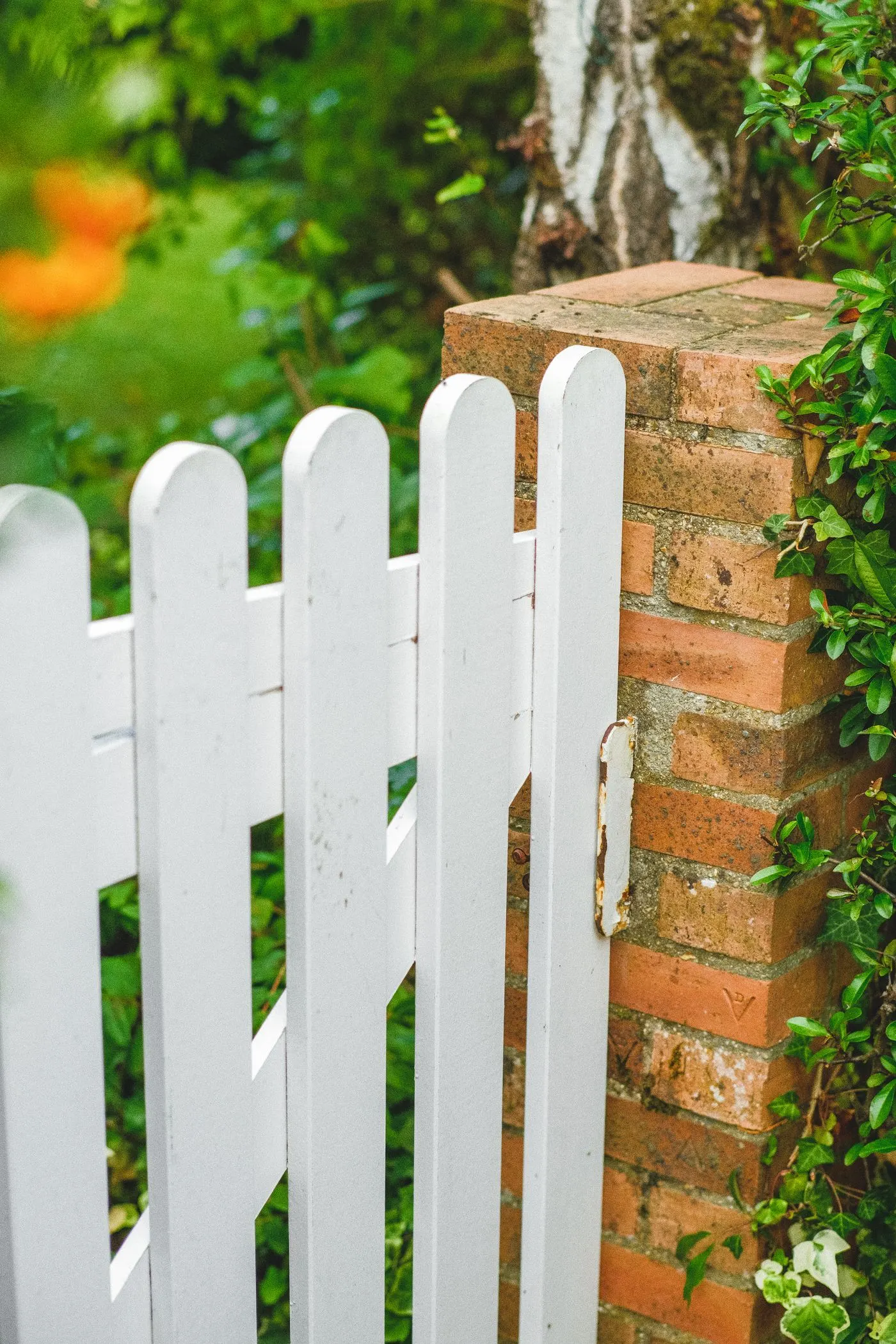
Deck and fence staining
Clean, stain and seal decks, rails and fences.
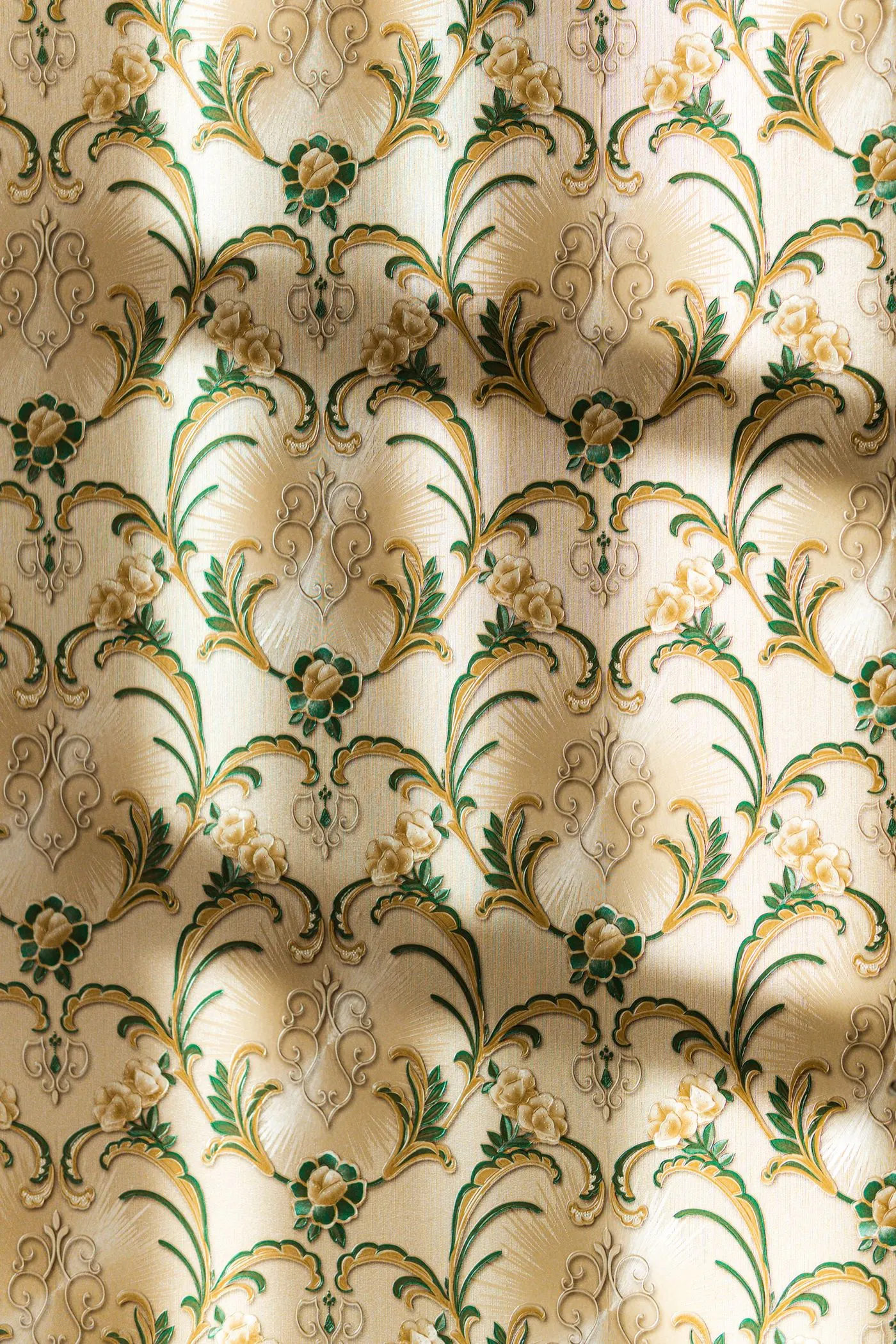
Wallpaper removal
Remove old wallpaper and get walls ready for paint.
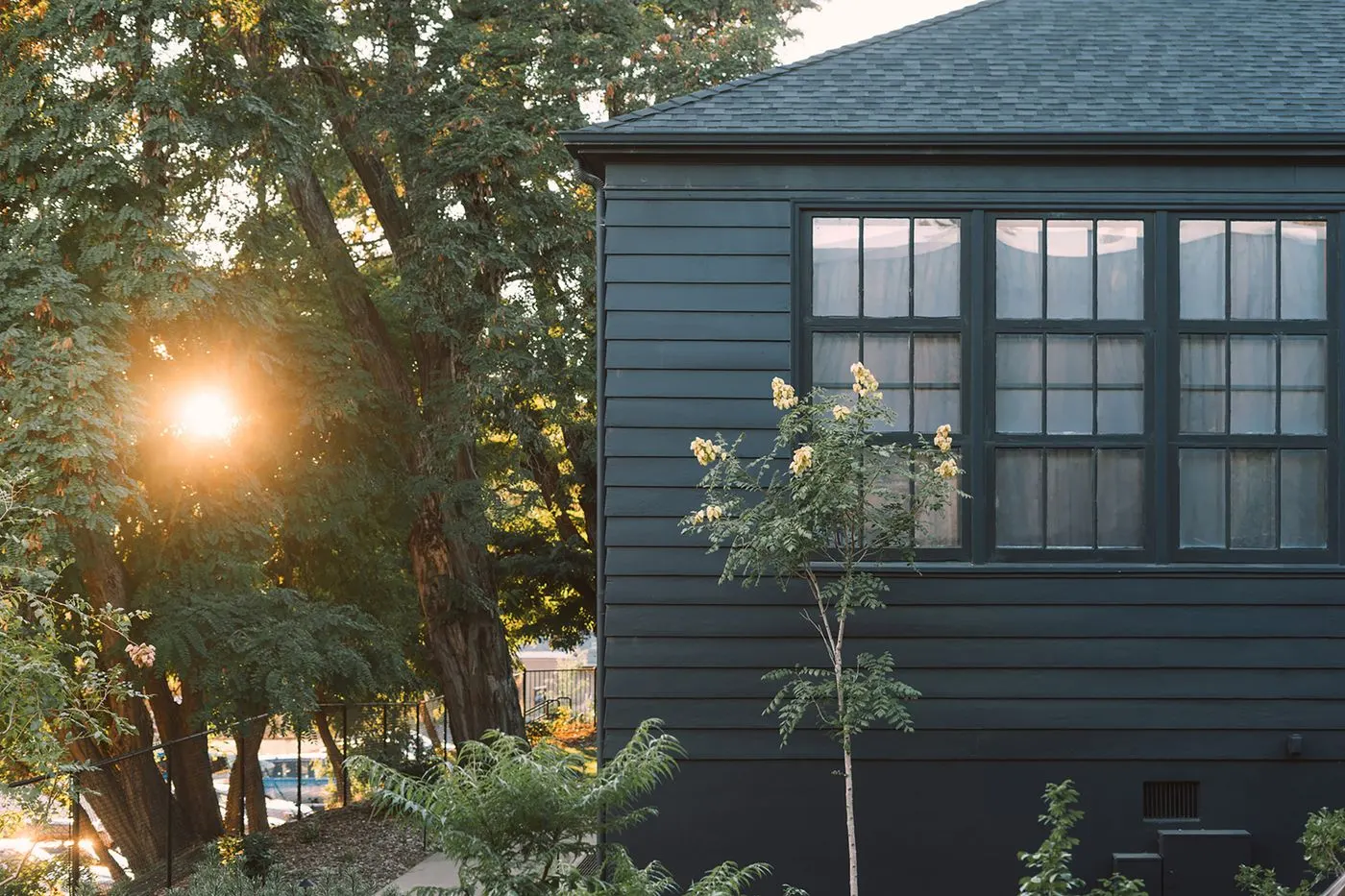
Trim and siding painting
Window trim, fascia, soffits and siding sections.