What wears paint down here
Harrison sits a few miles from Long Island Sound. Damp air, coastal storms, winter freeze and thaw and summer sun all work on the outside of a house. Peeling tends to start where water collects: window sills, the bottom edges of clapboards, porch floors and trim behind overflowing gutters. Chalky, faded paint shows up first on south and west walls.
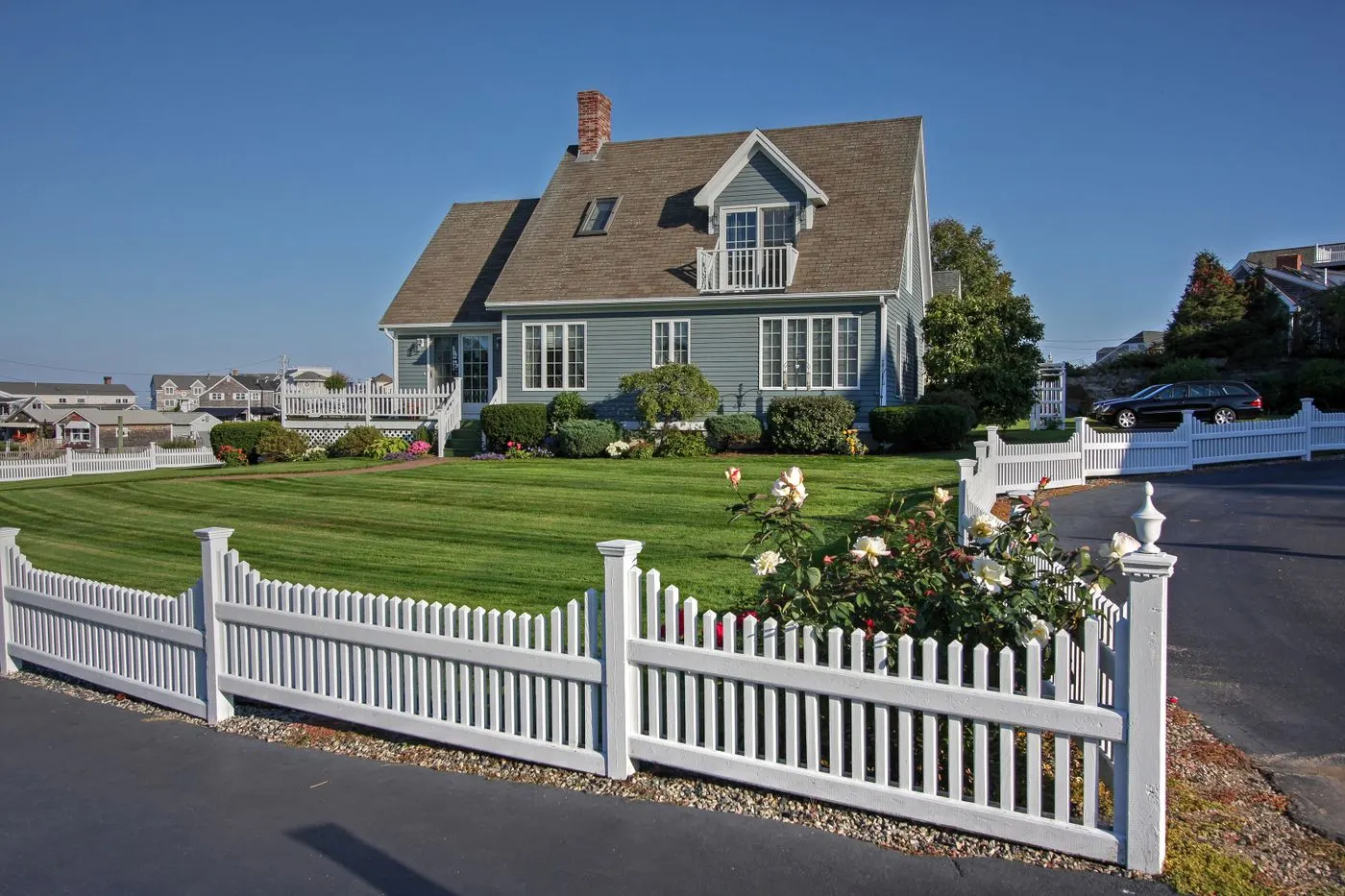
Wood, stucco and masonry
Wood siding needs scraping, sanding, priming of bare spots and caulking. Stucco needs cracks filled and a breathable masonry coating so moisture can escape. Brick and stone are often left unpainted, and painting them is a decision to discuss carefully, because removing paint from masonry later is difficult.
Many Harrison houses combine all three. A good estimate treats each material on its own terms.
- Wash, then allow time to dry
- Scrape and sand loose paint
- Repair soft wood and fill stucco cracks
- Prime bare and patched areas
- Caulk joints, then apply two finish coats
Lead-safe exterior work
Scraping old exterior paint on a pre-1978 house can scatter chips into lawns and garden beds. Federal rules require paid contractors to be EPA Lead-Safe Certified firms and to lay ground sheeting, keep chips contained and clean up thoroughly. Ask how they plan to protect your yard and your neighbor's.
Weather and timing
Exterior painting usually runs from late spring into early fall, when nights stay mild and surfaces stay dry. Paint should not go on damp wood or in the hours before rain. Painters often work around the house with the sun so that no wall is painted in harsh midday heat.
What to ask for in writing
Ask the painter to list each surface, the prep and repair steps, the products and colors, the number of coats, cleanup and the payment schedule. Ask how they will handle surprises such as hidden rot behind trim.
Colors and historic character
Many Harrison homes have a traditional look, and color choices can make or break it. Tudors usually pair light stucco with dark timbers and trim, while colonials often use white or muted body colors with darker shutters. Painters can paint sample patches on the house so you see colors in real daylight before committing. If you live in a historic district or a homeowners association, check whether color changes need approval first.
Exterior painting cost ranges
Published ranges from This Old House.
| Surface or size | Typical range |
|---|---|
| Per sq ft of home | $2.20 to $4.40 |
| 2,000 sq ft, one story | $4,400 to $8,800 |
| 2,000 sq ft, two stories | $6,900 to $12,700 |
| Stucco, per sq ft | $2.50 to $4.80 |
| Brick, per sq ft | $2.60 to $5.00 |
| Aluminum siding, per sq ft | $2.10 to $4.20 |
These are published national figures, not quotes. Expect Harrison and southern Westchester prices to sit toward the upper end or above.
Questions homeowners ask
Should brick be painted?
It is a lasting choice, since paint is hard to remove from brick later. Some painted brick needs a breathable coating. Talk it through with the painter before deciding.
Why is my stucco cracking?
Small cracks are common as stucco ages and the house settles. They should be filled before painting. Large or growing cracks may need a stucco specialist.
Can exterior work be done in October?
Early fall can work on dry, mild days. Cold nights and morning dew make late fall risky. Check the temperature range on the paint label.
Other services
House painting
Full repaints for colonials, Tudors and two-family homes.
Interior painting
Rooms, ceilings, trim and doors, start to finish.
Cabinet painting
Kitchen and bath cabinets painted instead of replaced.
Deck and fence staining
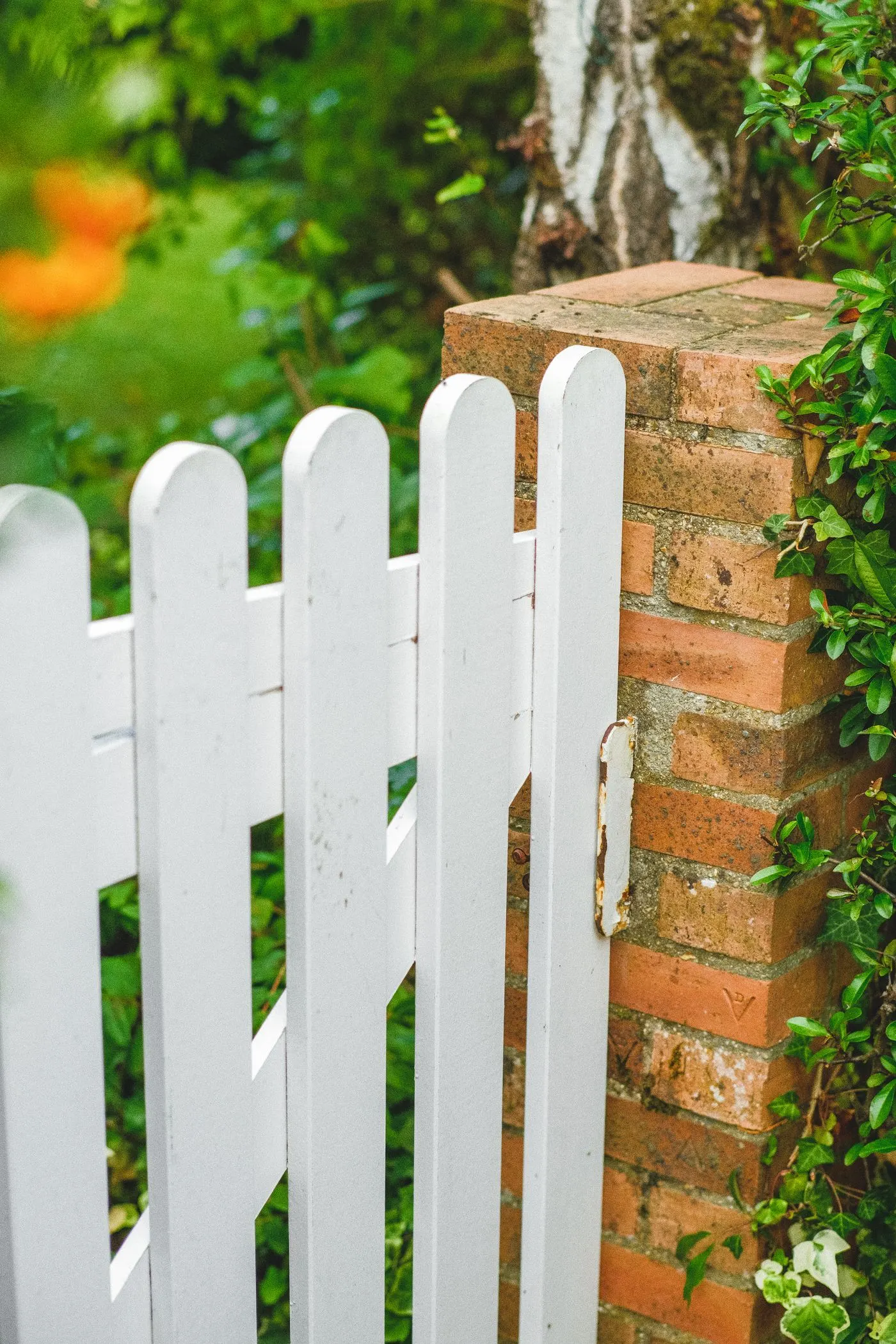
Clean, stain and seal decks, rails and fences.

Wallpaper removal
Remove old wallpaper and get walls ready for paint.
Trim and siding painting
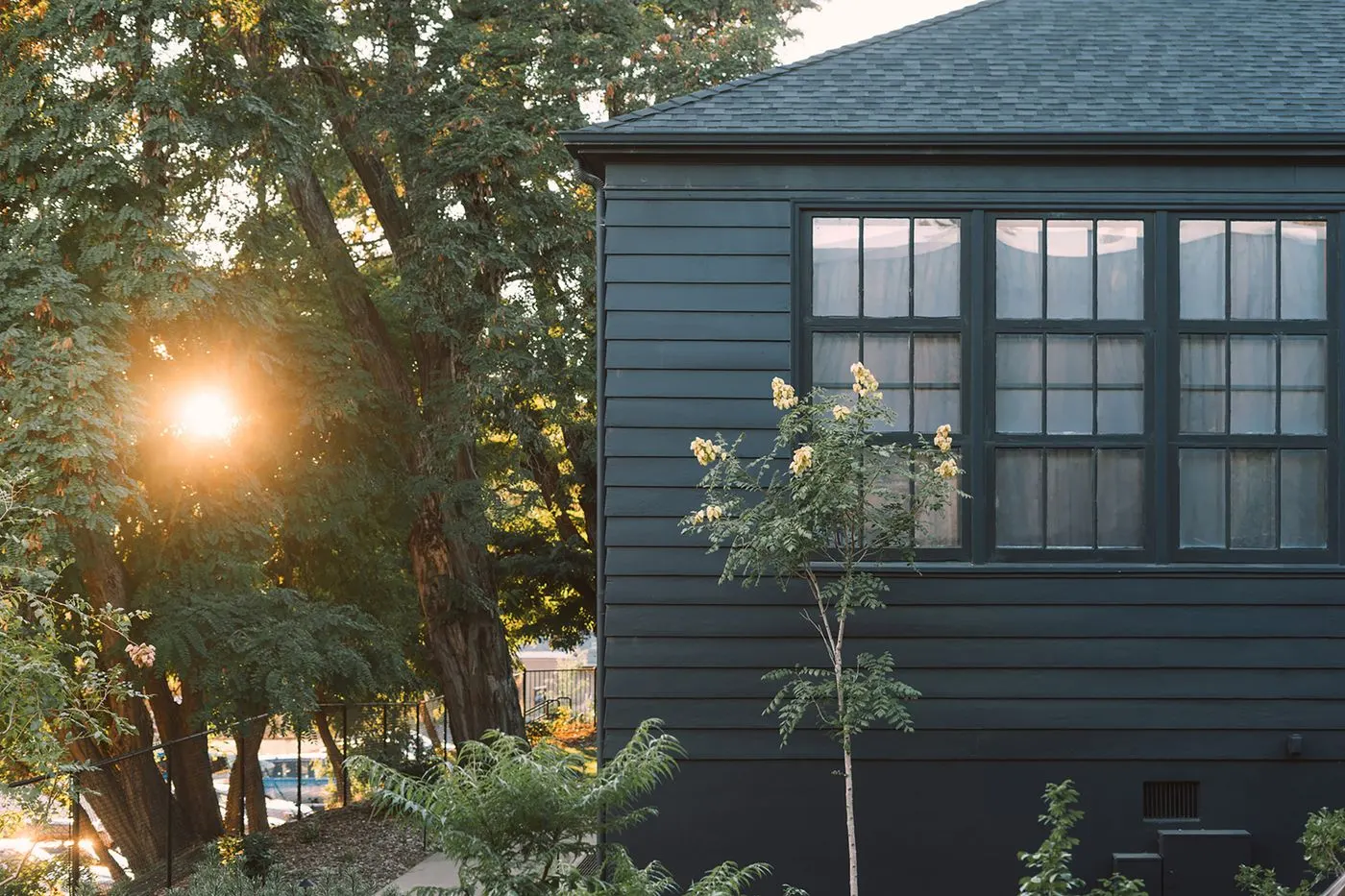
Window trim, fascia, soffits and siding sections.